


Why Building Managers are Pouring £3 Billion A Year Into Fire Compartmentation Works
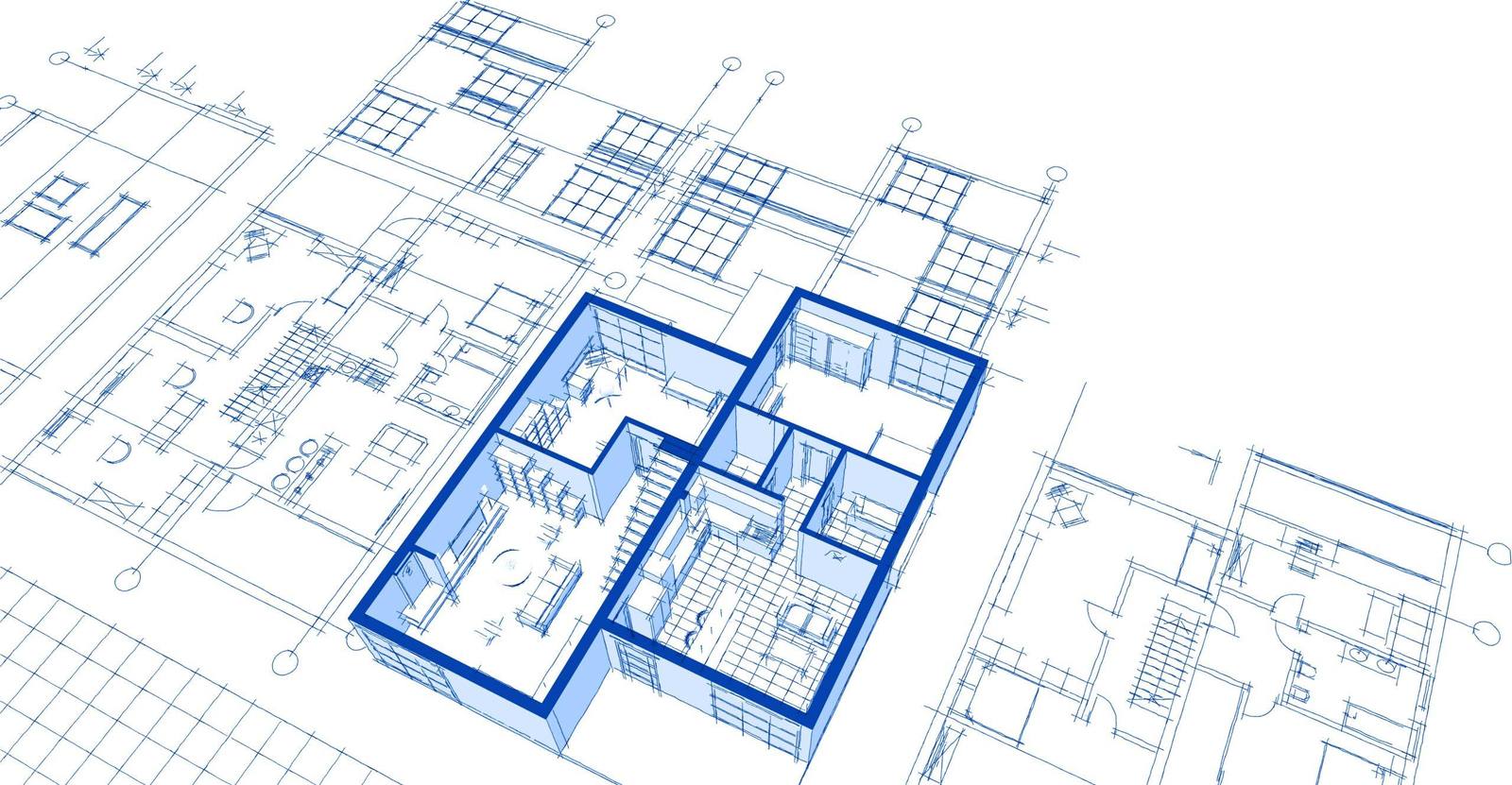
Building Managers and responsible persons are budgeting huge percentages of their annual budgets to compartmentation surveys, fire doors projects and firestopping installations.
Compartmentation is a fundamental principle in fire safety, designed to prevent the spread of fire, smoke, and heat within a building. It involves dividing a building into separate sections, or compartments, which can contain a fire within a limited area for a specified period. This concept is essential for protecting lives and property, and it plays a critical role in the overall fire safety strategy of any building.
In this blog post, we will explore what compartmentation is, its key components, and why it is so vital for fire safety.
Contents
- What is Compartmentation?
- Why is Compartmentation Important?
- Challenges and Solutions in Compartmentation
- Conclusion
What is Compartmentation?
Compartmentation is the practice of creating fire-resistant barriers within a building to contain the spread of fire and smoke. These barriers can include fire-rated walls, floors, doors, ceilings, and other structural elements. The main objective of compartmentation is to create safe zones within the building, allowing occupants to evacuate safely and giving firefighters more time to control and extinguish the fire.
Key Components of Compartmentation
- Fire-Rated Walls and Floors: Constructed to resist fire and smoke for specific periods (30–120 minutes).
- Fire Doors: Automatically close and seal during a fire; require regular inspection and maintenance.
- Fire Dampers: Installed in ductwork to prevent fire and smoke spread via ventilation systems.
- Glazing: Fire-resistant windows and partitions that maintain visibility and containment.
- Compartment Breaches: Sealed penetrations (pipes, cables) using firestopping materials to maintain barrier integrity.
Why is Compartmentation Important?
- Life Safety: Keeps escape routes clear and provides refuge zones.
- Property Protection: Limits damage to affected compartments, reducing repair costs.
- Firefighter Safety: Controls spread to help responders tackle fires more effectively.
- Regulatory Compliance: Required under the Regulatory Reform (Fire Safety) Order 2005 and Approved Document B.
- Business Continuity: Contains fires to minimise downtime and financial loss.
Challenges and Solutions in Compartmentation
Maintaining Integrity: Regular surveys and maintenance ensure fire-rated elements remain effective.
Dealing with Breaches: Prompt firestopping of any new penetrations caused by renovations or installations.
Training and Awareness: Regular fire drills and staff training on compartmentation importance and procedures.
Engage certified fire safety experts to inspect and maintain compartmentation systems to the highest standards.
Conclusion
Compartmentation is a critical component of fire safety, protecting lives, property, and businesses by containing fire and smoke spread. Compliance with regulations and regular maintenance of compartmentation elements are essential for their effectiveness.
At Vanguard Fire Protection, we specialise in the design, installation, and maintenance of compartmentation systems. Contact us to safeguard your building and ensure compliance with all fire safety standards.


Take control of your building’s fire safety.
Reach out to our team today for a tailored consultation or to request a quote.