
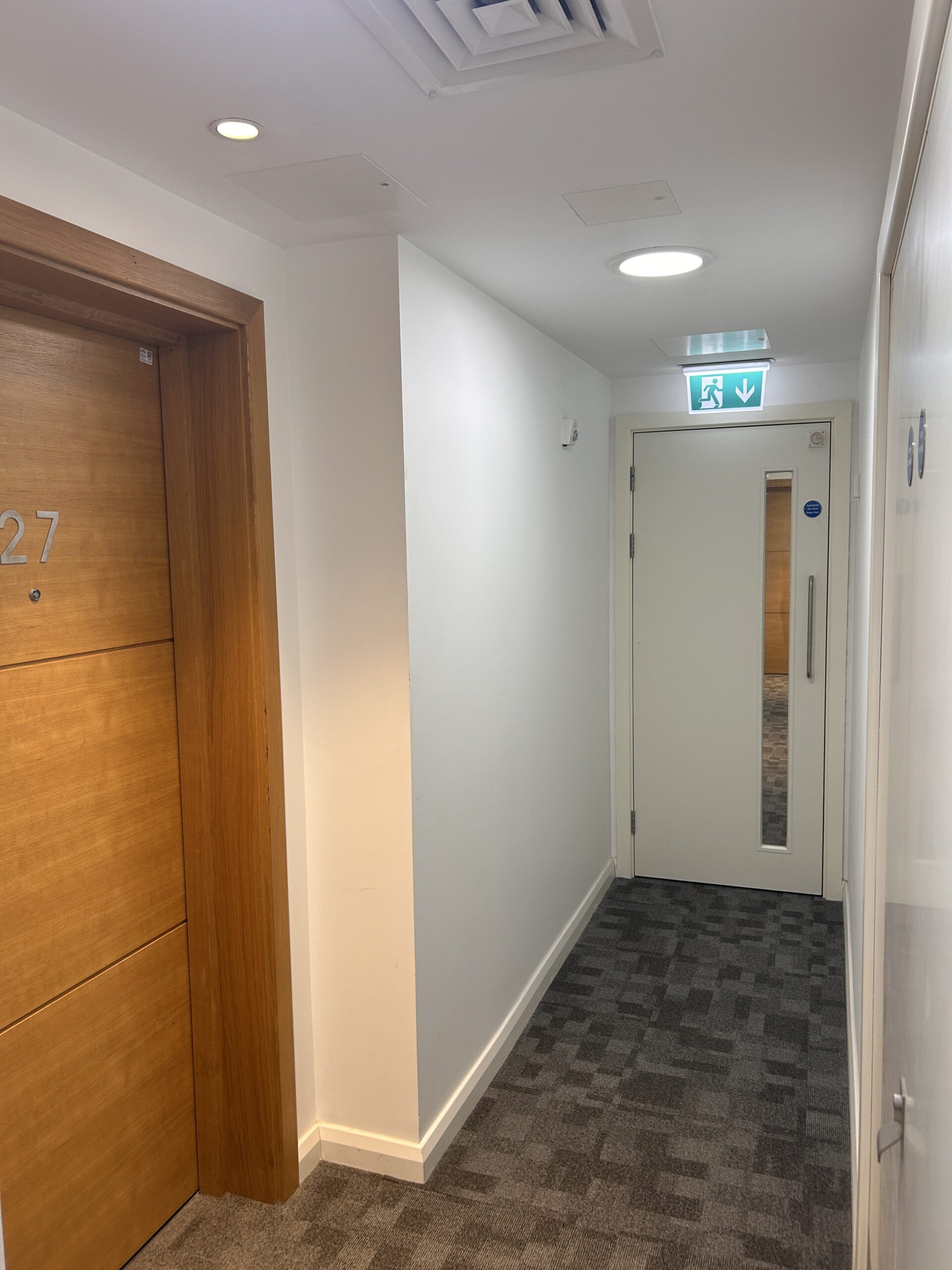
Why Fire Door Inspections Matter in Brighton Residential Blocks
Brighton is a vibrant coastal city with a mix of historic and modern residential blocks. Managing fire safety in these properties is a complex but essential responsibility for block managers. Fire door inspections are a critical element in protecting residents and property. They are designed to contain fire and smoke, allowing safe evacuation and minimising damage.
Recent local reports have highlighted fire safety challenges in Brighton. Over 2,000 fire doors in council-owned flats failed safety checks in 2019, prompting a £2.5 million investment to replace them (Brighton & Hove News). This shows the importance of proactive management and regular inspections for all residential blocks.
Understanding Fire Door Regulations
Block managers in Brighton must comply with multiple regulations:
- Fire Safety (England) Regulations 2022 Mandates that all fire doors in multi-occupancy buildings must be maintained so they function effectively during a fire (Gov.uk).
- Approved Document B (Building Regulations 2010) Provides guidance on fire door standards, including self-closing mechanisms, intumescent seals, and fire resistance ratings.
- Fire Safety Act 2021 Clarifies the responsibilities of building owners and managers for shared spaces in multi-occupancy buildings.
- RICS Fire Safety Guidance for Block Managers Advises on risk assessments, maintenance planning, and reporting requirements specific to residential blocks (RICS Guidance).
- Local Authority Oversight Brighton & Hove City Council enforces compliance in council-managed blocks, including periodic audits and mandatory reporting for high-risk properties (Brighton Council Fire Safety).
Failing to adhere to these regulations can result in fines, legal action, and most importantly, endanger residents.
The Importance of Regular Inspections
Fire doors are not “fit and forget” installations. Regular inspections help:
- Ensure Compliance: Identify faults before they become breaches of law.
- Enhance Resident Safety: Detect issues that could prevent doors from containing fire.
- Prevent Costly Repairs: Early detection of damage avoids full replacements later.
- Support Insurance Claims: Demonstrates that the property is managed responsibly.
A Fire Door Inspection Scheme (FDIS) survey found that three-quarters of UK fire doors do not meet safety standards, underscoring the need for regular professional inspections (FDIS Survey).
Fire Safety Challenges
Brighton’s residential blocks face unique risks:
- Historic Buildings: Older properties often have doors that do not meet modern fire-resistance standards.
- High Occupancy Flats: Blocks with many units increase fire load and evacuation complexity.
- Shared Escape Routes: Corridors and stairwells need functioning fire doors to prevent smoke spread.
- High-Rise Risks: Buildings over 18 meters must adhere to additional regulations due to the increased evacuation challenge.
Local data from Brighton & Hove Council shows that investment in fire safety improvements has been essential to avoid incidents in high-density areas (Brighton & Hove Fire Safety Audit).
Best Practices
1. Inspection Frequency
- Every six months for common areas
- Annually for individual unit doors
2. Professional Assessment
- Engage Third-Party Certified Inspectors.
- Inspect: door leaf, frame, hinges, locks, intumescent seals, and self-closers
3. Record-Keeping
- Maintain logs of inspection dates, issues found, and remedial actions
- Essential for audits and legal compliance
4. Immediate Action on Defects
- Repair or replace non-compliant doors without delay
- Ensure temporary measures do not compromise safety
5. Resident Communication
- Educate tenants on not propping open fire doors
- Encourage reporting of damage or faults
We have put together a FREE Fire Door Handbook to give you everything you need to ensure compliance. Download here
Case Study
In 2019, a Brighton council block identified over 2,000 failing fire doors. The council allocated £2.5 million to replace them, improving safety for hundreds of residents. Professional inspections and robust maintenance schedules prevented further issues and demonstrated compliance to regulators.
Key takeaways for block managers:
- Schedule inspections proactively
- Engage certified professionals
- Maintain transparent records
Step-by-Step Guidance
- Survey the Property: List all fire doors, noting age, type, and compliance status.
- Engage a Professional: Hire an accredited inspection company for a full audit.
- Plan Maintenance: Prioritize high-risk doors in corridors, stairwells, and escape routes.
- Document Everything: Keep records of inspections, repairs, and replacements.
- Educate Staff and Residents: Fire door awareness prevents misuse.
- Schedule Follow-Ups: Set recurring inspection dates and reminders.
Partnering with experts reduces risk, ensures compliance, and keeps residents safe.
Conclusion
You must prioritise fire safety to protect residents, comply with regulations, and avoid financial or legal consequences. Regular, professional fire door inspections are a critical part of this strategy. By following best practices, keeping accurate records, and engaging certified professionals, managers can ensure their residential blocks are safe and compliant.
Contact Us For Support
Ensure your residential block in Brighton meets fire safety standards with our expert fire door inspection services. Our team is ready to assist with consultations, inspections, and ongoing support. Contact Us
We have put together a FREE Fire Door Handbook to give you everything you need to ensure compliance. Download here


